Roof Ventilator Repair in Alpharetta, GA
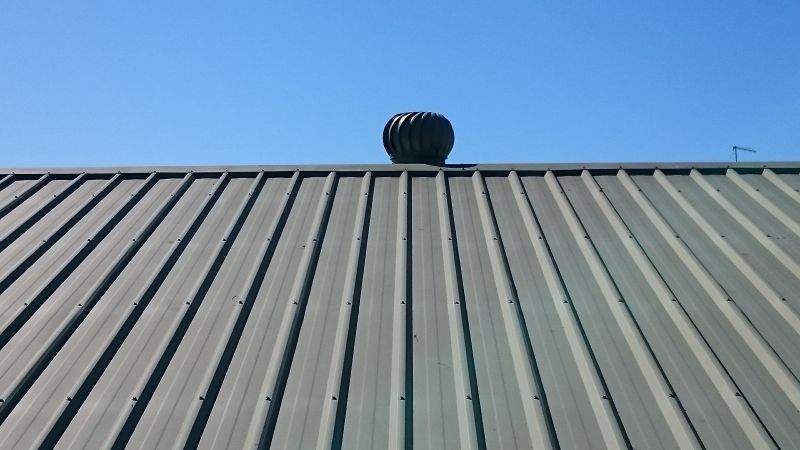
Roof ventilator repair services focus on maintaining and restoring the functionality of ventilation systems installed on residential roofs. These systems help regulate airflow, reduce moisture buildup, and improve energy efficiency within the home. Projects typically involve fixing or replacing damaged or malfunctioning roof vents, addressing issues such as leaks, blockages, or broken components, and ensuring proper ventilation to protect the roof structure and interior spaces.
Homeowners considering roof ventilator repair often want to understand the types of vents covered, the common signs indicating repair is needed, and the impact of a properly functioning vent system. It’s important to evaluate whether the current ventilation setup is working effectively, identify any signs of damage or deterioration, and determine if repairs or replacements are necessary to maintain optimal airflow and prevent potential issues like mold, rot, or increased energy costs.
Many property owners in Alpharetta, GA look into Roof Ventilator Repair for repairs, replacements, upgrades, and appearance-related improvements.
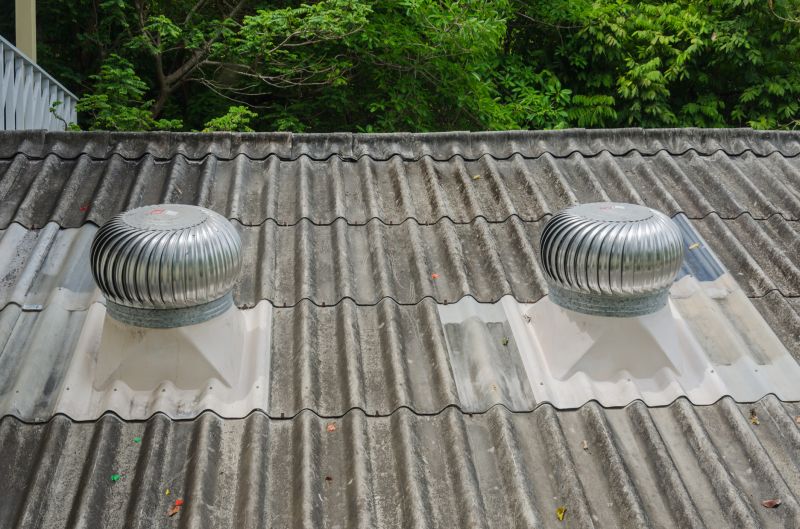
Signs Of Ventilator Issues
Unusual noises or poor airflow can indicate a malfunction in roof ventilators.
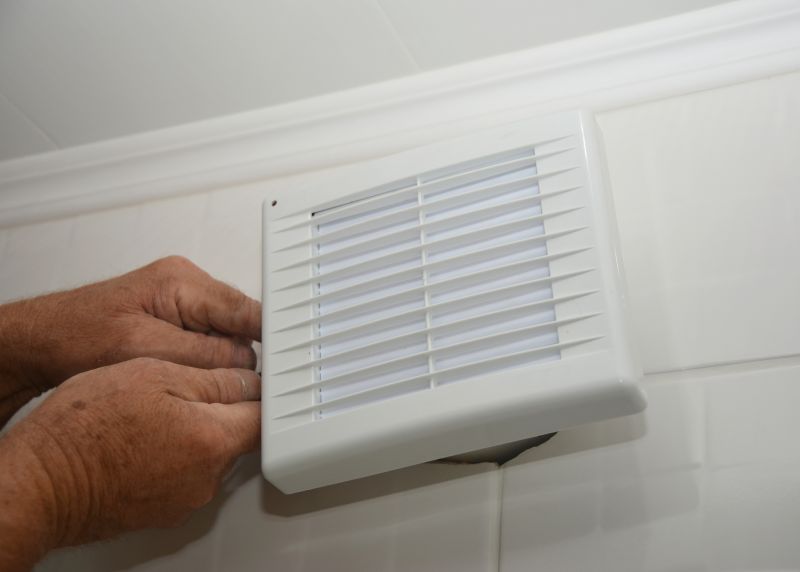
Common Repair Needs
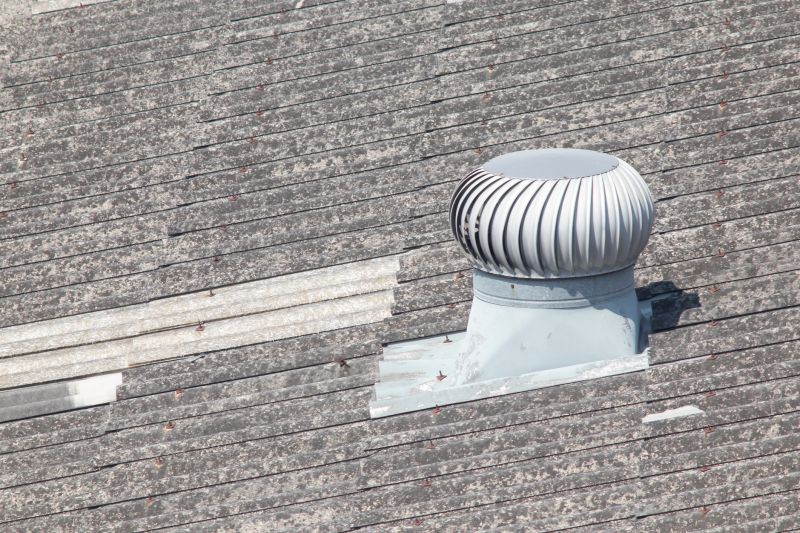
Repairs often involve sealing leaks, replacing damaged blades, or restoring ventilation efficiency.
Maintenance Tips
Regular inspections help ensure roof ventilators operate properly and extend their lifespan in alpharetta, ga.
Roof Ventilator Repair in Alpharetta, GA
Roof ventilator repair services focus on maintaining and restoring the functionality of ventilation systems installed on residential roofs. These systems help regulate airflow, reduce moisture buildup, and improve energy efficiency within the home. Projects typically involve fixing or replacing damaged or malfunctioning roof vents, addressing issues such as leaks, blockages, or broken components, and ensuring proper ventilation to protect the roof structure and interior spaces.
Homeowners considering roof ventilator repair often want to understand the types of vents covered, the common signs indicating repair is needed, and the impact of a properly functioning vent system. It’s important to evaluate whether the current ventilation setup is working effectively, identify any signs of damage or deterioration, and determine if repairs or replacements are necessary to maintain optimal airflow and prevent potential issues like mold, rot, or increased energy costs.
Many property owners in Alpharetta, GA look into Roof Ventilator Repair for repairs, replacements, upgrades, and appearance-related improvements.
Common Roof Ventilator Repair Jobs
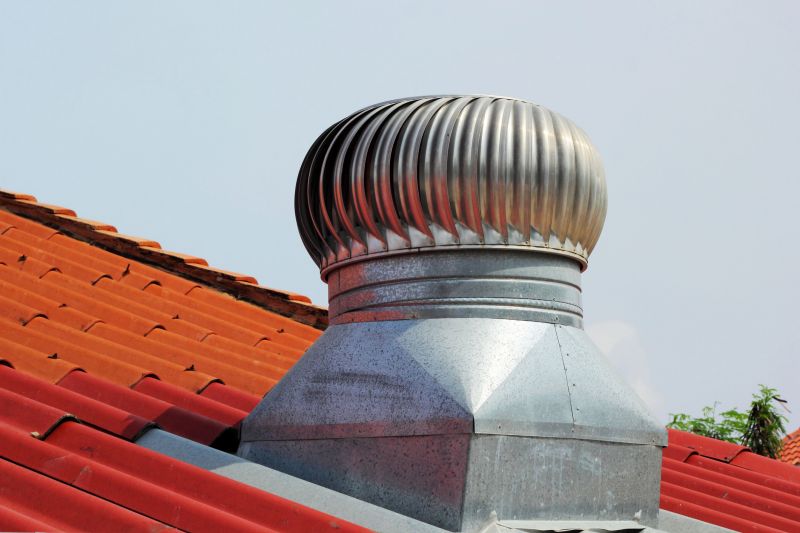
Roof Ventilator Repair - Restores proper airflow to prevent moisture buildup and improve attic ventilation.
Roof Ventilator Replacement - Upgrades outdated or damaged vents to enhance energy efficiency and indoor comfort.
Leak Detection and Repair - Identifies and seals leaks caused by faulty roof vents to prevent water damage.
Fan Motor Repair - Fixes malfunctioning fan motors to ensure continuous and effective attic ventilation.
Damaged Vent Cap Repair - Replaces or repairs broken vent caps to keep pests out and maintain ventilation performance.
Venting System Inspection - Assesses the entire vent system for issues that could impair attic airflow and safety.

Roof Ventilator Repair Questions
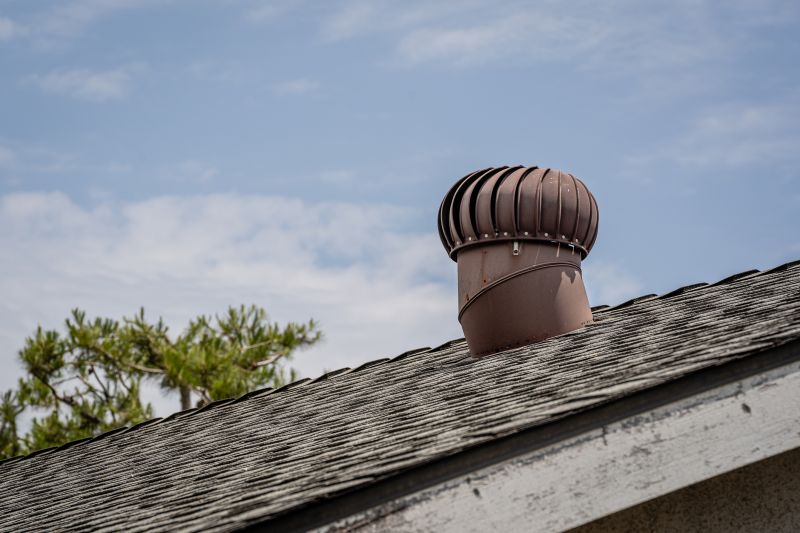
What are common signs of a faulty roof ventilator? Signs include unusual noises, increased energy bills, and poor attic ventilation or airflow.
Why is roof ventilator repair important? Proper ventilation helps prevent moisture buildup, reduces heat accumulation, and extends roof lifespan.
What types of roof ventilator issues can be repaired? Common issues include broken blades, damaged fans, and malfunctioning motors that affect airflow.
How can property owners maintain roof ventilators? Regular inspections and clearing debris around the vents help ensure proper functioning and longevity.
Request Roof Ventilator Repair in Alpharetta, GA
Use the quote form on this page to share the basics of your project and request more information for the type of work you need.